The United States is actively pressuring Lebanese officials to block Hezbollah and its allies from selecting the country’s next finance minister. According to multiple sources familiar with the situation, Washington aims to curb the influence of the Iran-backed group, which has held significant sway over Lebanon’s government for years.
This direct intervention comes at a time when Hezbollah faces mounting challenges. The recent conflict with Israel and shifting regional dynamics have weakened the group’s position. Moreover, Lebanon’s political and economic landscape is undergoing significant changes, making this a crucial moment for US diplomacy.
Washington’s Message to Lebanese Leaders
U.S. officials have reportedly conveyed their stance to Prime Minister-designate Nawaf Salam and President Joseph Aoun. They have emphasized that Hezbollah should not hold a role in the new government. While Lebanon’s political structure traditionally allows all major factions to appoint ministers, the U.S. seeks to prevent Hezbollah’s continued control over key positions.
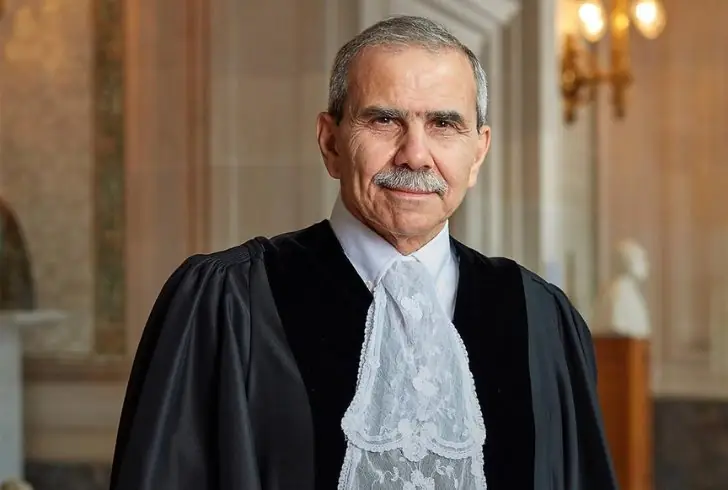
Sources indicate that Massad Boulos, a Lebanese American businessman and adviser on Middle Eastern affairs under former U.S. President Donald Trump, has played a role in relaying this message. Although US lawmakers have publicly called for Hezbollah’s exclusion from the government, this direct communication marks a more assertive approach.
Despite requests for clarification, the White House and State Department have not provided an official response regarding their involvement. However, Boulos publicly expressed his hope for a cabinet free from figures associated with the previous political system, stressing the need to restore international confidence in Lebanon’s leadership.
U.S. Pressure and Hezbollah’s Response
Officials close to Hezbollah acknowledge the increasing pressure from Washington. One source stated that the U.S. is actively working to weaken the group’s influence. Meanwhile, other sources argue that allowing Hezbollah or its ally, the Amal Movement, to nominate a finance minister could harm Lebanon’s chances of securing much-needed international financial aid.
Lebanon is already grappling with a severe economic crisis, exacerbated by last year’s conflict. Many of the hardest-hit areas are Shi’ite-majority regions where Hezbollah maintains strong support. While the group has called for foreign assistance to rebuild, regional sources suggest that aid depends on political developments.
One key factor influencing international support was President Aoun’s election. Reports indicate that envoys from France, Saudi Arabia, and the U.S. informed Lebanese Speaker of Parliament Nabih Berri—Amal’s leader and a Hezbollah ally—that financial aid would depend on Aoun taking office. Now, the focus has shifted to the formation of the new government.
The Political Struggle Over Key Positions
As Prime Minister-designate, Salam has been consulting with political factions to form his cabinet. However, Hezbollah and Amal did not endorse his nomination, signaling potential tensions ahead. Berri has already proposed Yassin Jaber, a former minister and lawmaker, for the finance role.
U.S. officials have clarified that while they do not oppose a Shi’ite candidate, they strongly reject any direct nomination by Hezbollah or Amal. Washington has reportedly communicated that Lebanon is entering a new political phase, and past arrangements that granted Hezbollah significant power—such as control over key ministries—are no longer acceptable.
Meanwhile, Republican lawmakers Darin LaHood and Darrell Issa have urged U.S. President Joe Biden to condition financial assistance to Lebanon on excluding Hezbollah members and affiliates from government roles. Their letter highlighted concerns that continued Hezbollah involvement would undermine efforts to rebuild the country.

U.S. Sees Finance Ministry as a Critical Position
Political analysts view the finance ministry as a top priority for Washington. Michael Young of the Carnegie Middle East Center described it as a “red line” due to its authority over Lebanon’s budget and public spending. Lebanon has struggled with economic collapse since 2019, when years of mismanagement led to a devastating financial crisis.
The U.S. hopes to establish a new political order in Lebanon by limiting Hezbollah’s role in government. Denying Hezbollah control over the finance ministry could significantly restrict its ability to shape economic policies and influence government decisions.
Growing Political Tensions in Lebanon
The battle over Lebanon’s government has already sparked tensions. The Christian Lebanese Forces Party, a strong opponent of Hezbollah, has threatened to boycott the cabinet if Hezbollah and Amal secure the finance ministry or other key positions.
Internationally, France has taken a more nuanced stance. French officials acknowledge Hezbollah’s declining influence but argue that Lebanon’s Shi’ite population cannot be ignored. They believe Hezbollah remains a key political force that must be considered in any power-sharing arrangement.
As Lebanon moves forward with forming its government, the U.S. remains committed to reducing Hezbollah’s influence. With economic aid and political stability at stake, Washington’s involvement is likely to continue shaping the country’s future.