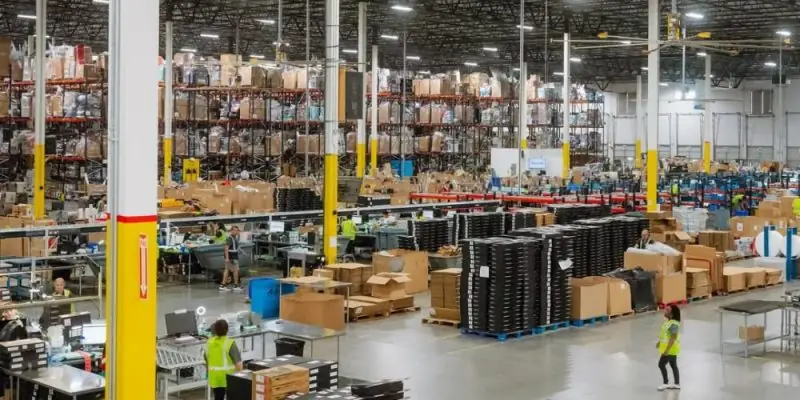
Walk through the receiving dock of ReturnPro’s massive warehouse in Fort Worth, Texas, and you’ll see a scene that feels more like a retail time capsule than a storage space. From flat-screen TVs to fishing rods, kitchen gadgets to kids’ toys, it’s a sprawling collection of consumer goods that have made a full circle — bought, returned, and now awaiting a second chance.
These items, returned from household names like Walmart, JCPenney, and Bass Pro Shops, are part of a massive ecosystem known as reverse logistics. Instead of going to landfills or being sold off to liquidators for cents on the dollar, these products are sorted, cleaned, repaired, and then resold — sometimes for significant returns.
WhatExactlyIsReverseLogistics?
Reverse logistics refers to the process of handling goods after they’ve been returned by customers. It’s a key part of how retailers deal with everything from seasonal surpluses to buyer’s remorse.
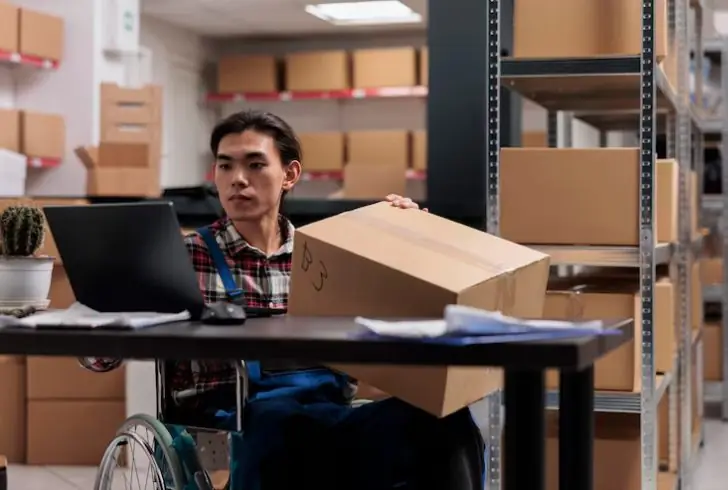
ReturnPro, a company with warehouses across the globe, plays a leading role here. Their facilities process products in 259 categories — everything from laptops and power tools to camping gear and small appliances. These items are repackaged and sold through platforms like VIP Outlet, goWholesale, and Direct Liquidation.
ReturnPro doesn’t just move boxes; it gives returned products a second life. That has become a serious business opportunity.
WhyThisIndustryIsGrowingFast
In recent years, returns have skyrocketed. The National Retail Federation estimates that over $890 billion worth of goods were returned last year — more than double what was seen in 2020. Why? Easier return policies, online shopping habits, and, sometimes, just plain regret.
But economic shifts have also played a role. The uncertainty around international tariffs, especially those imposed on goods from China, has caused many retailers to scale back new inventory purchases. As a result, refurbished products — often high-quality and much more affordable — are in hot demand.
“We’ve seen retailers pause or cancel new orders,” explained ReturnPro CEO Sender Shamiss. “That’s where we come in — putting returned items back into the supply chain and back into customers’ hands.”
TheValueHiddeninUsedGoods
1. High resale value items
Products like computers, coffee makers, and outdoor gear are often restored and resold. These aren’t just lightly used — they’re tested, cleaned, and often repackaged like new.
2. Low-value returns
Items like phone cases or heavily damaged goods? These are either sold to liquidators or sent for recycling.
ReturnPro uses software to help retailers figure out whether it’s worth shipping an item back. This system helps identify which products can yield better margins and which are simply a sunk cost.
According to Shamiss, “It’s not just about moving returns — it’s about making smart decisions on what’s worth refurbishing.”
Who’sBuyingRefurbishedGoods?
From individual consumers looking for a deal to wholesale buyers like 203 Trading, the demand for refurbished products continues to grow. Mark Kingsley, who’s been sourcing electronics from ReturnPro for over 15 years, says the appeal goes beyond price. “With refurbished equipment, you’re not locked into whatever price the manufacturer sets. You’ve got more room to find value,” he said.
Retailers like Five Below and T.J. Maxx have also joined the resale loop, purchasing returned and overstocked goods to sell at discount prices.
WhatGetsReturnedandWhy
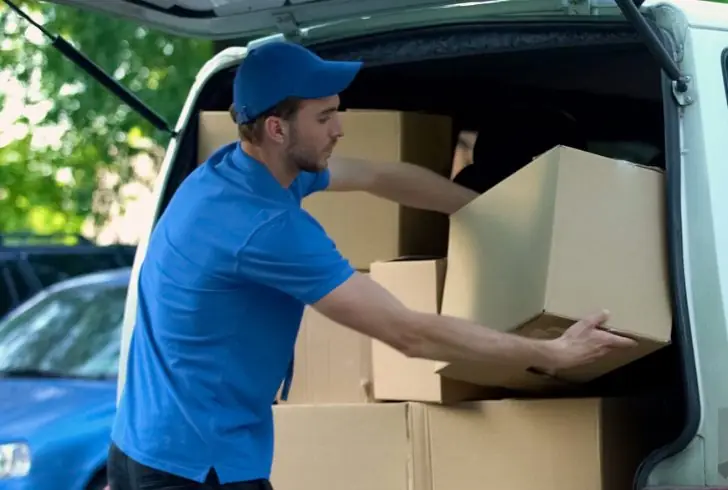
A walk through ReturnPro’s warehouse reveals the patterns of American consumer behavior:
– TVs often come back right after the Super Bowl.
– Generators peak in returns post-hurricane season.
– Christmas trees and decorations are frequent returns come January.
– About 15% of returns are marked fraudulent — like a wedding dress worn once or electronics swapped with junk.
One ReturnPro team member recalled a case where someone returned a box that was supposed to contain an iMac. Inside? A Bible.
WhyRefurbishedProductsAren’tGoingAnywhere
Despite inflation and changing markets, one thing stays constant—people want good products at better prices. With more awareness of sustainability, reducing waste, and saving money, refurbished goods offer a compelling alternative.
“There may be tariffs, supply chain hiccups, or economic slowdowns,” said Shamiss, “but people still shop. And returns? They’re here to stay.”
For anyone paying attention to where the retail industry is headed, the growing market for returned and refurbished products is no longer a side hustle. It’s a full-blown business model that’s changing how — and what — we buy.